Case studyAgentic Transformation
From a vibe-coded prototype to a production platform, in days.
Days · 2025
Years of scattered projects, consolidated into one AI-native codebase. The heavy lifts that used to take months now land in hours.
RASA builds the kind of events most people only see on a highlight reel: a headline night in Ibiza, an after-party for Comic Con. The events business is successful and growing, and like most companies that have been winning for a while, it kept investing in technology.
The catch was how that investment accumulated: one need at a time. Check people in at the door, build a tool. Solve the next problem, build another.
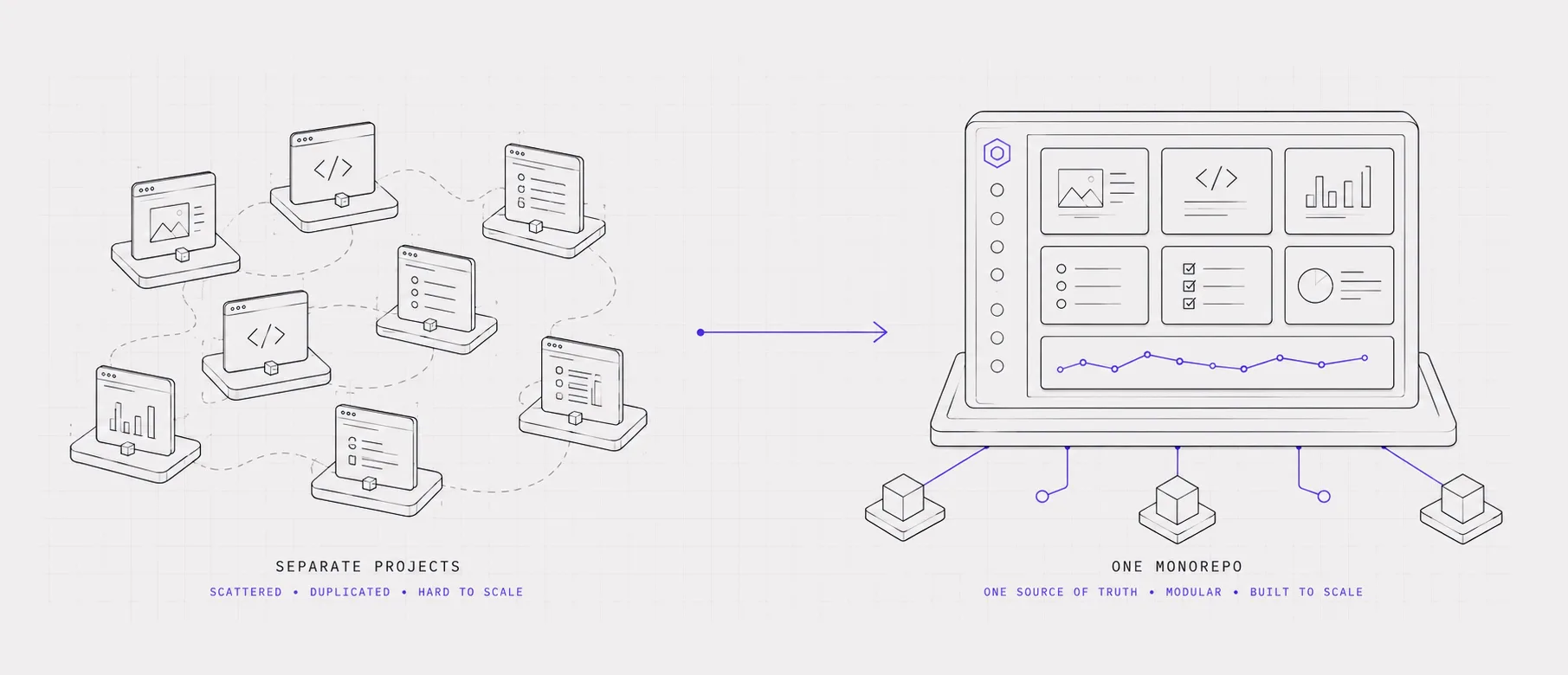
Over a few years that became an architecture spread across a long list of separate products and back ends, each meeting a need, none designed to work as one. By the time Katapult joined, the platform was holding the business up and quietly working against it.
The problem was not a single broken feature. It was the foundation under all of them. The codebase lived as a sprawl of separate projects that engineers and AI agents alike had a hard time working in, and the front end carried bugs that never really got fixed, because the team kept treating symptoms instead of the cause.
“They always are trying to fix one bug. But the problem is actually a root problem. There's a chronic problem in the technologies, and that requires major heart surgery.”
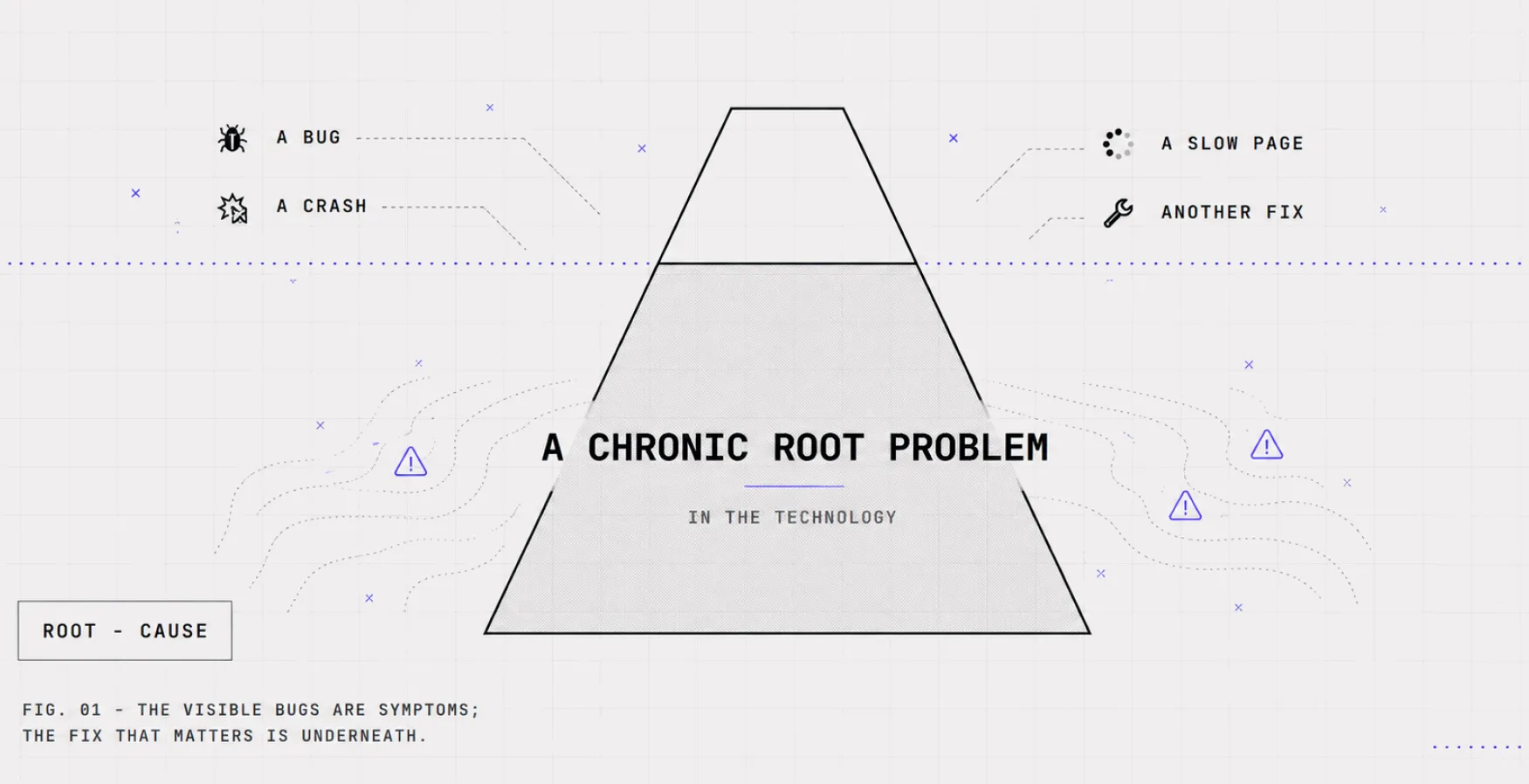
The fix that mattered most was the one that never got approved. Consolidating the architecture is enormous work, it doesn't show up on this quarter's revenue, so it loses every prioritization fight.
“It's one of those things that you never prioritize, because it's so much work and it doesn't really help the bottom line.”
What changed the math was AI, applied by people who knew exactly where to point it. The work that was once a multi-month project no one would green-light became a heavy lift measured in hours. The cost structure itself changed.
“Bringing that into modernity so they can get the benefits of AI is very costly. But thanks to AI, we're able now to refactor at a speed that is unheard of.”
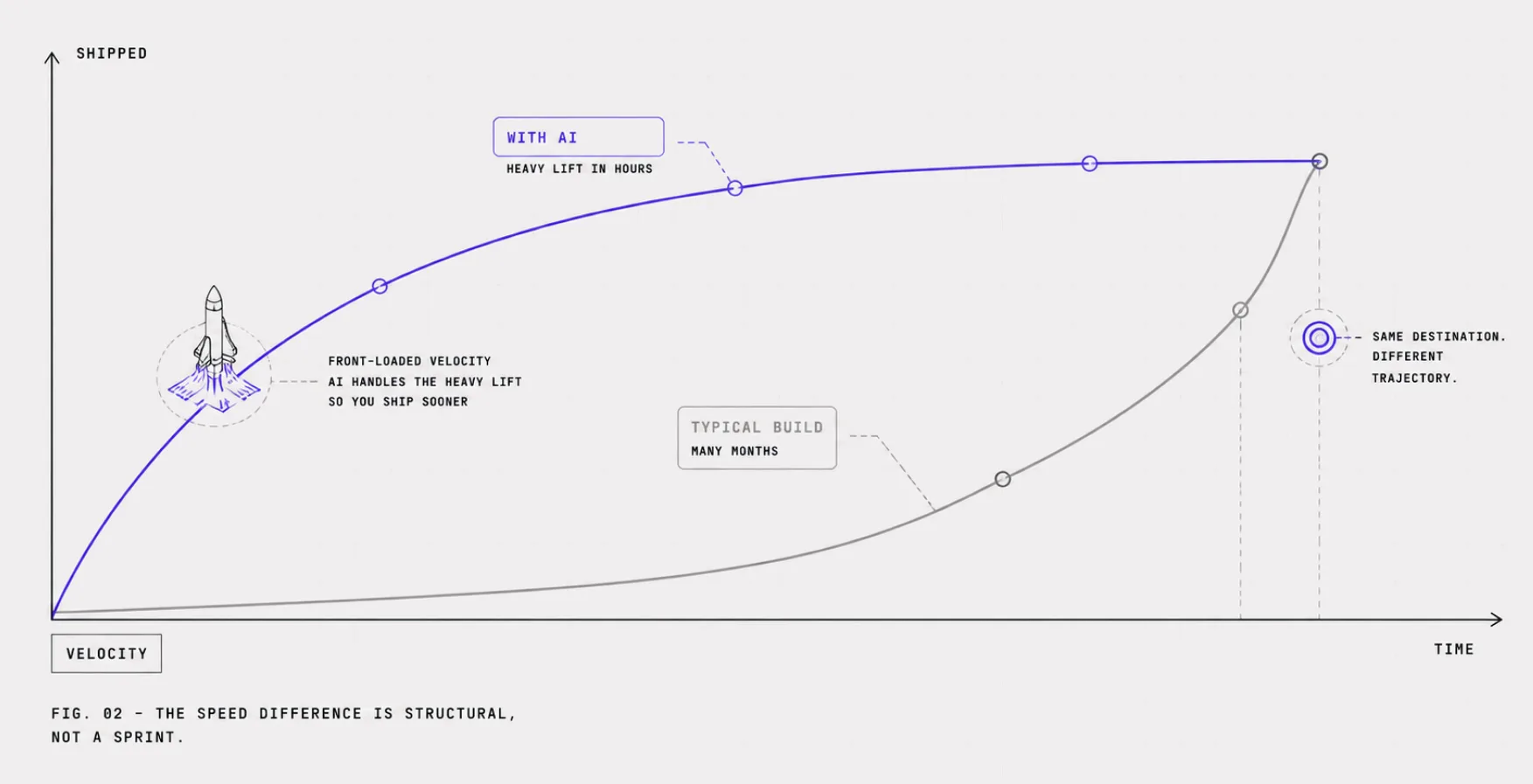
Katapult put a team on the architecture itself, not a patch on top of it. Every project, application, back end and front end was consolidated into a single monorepo. The point was context: with everything in one place, engineers and AI agents can finally see the whole organization at once.
“We consolidated all of these projects into a single mono repo, so that the agents have context on the whole surface area of the organization. Work that would have taken many months, thanks to AI we did the heavy lift in hours.”
With the codebase unified, the architecture was reimagined and the CI/CD pipeline (the system that moves code from written to live) was torn out and rebuilt. Shipping became modern and agentic-native by default, and everything downstream got faster: web front ends that were once quarter-long investments now get refactored in hours or days.
The clearest change is in how it feels to run the company.
“Before, it was a black box that required a lot of trust and a big expense. After, it's very high transparency, very high trust, world-class processes, and a lot more velocity.”
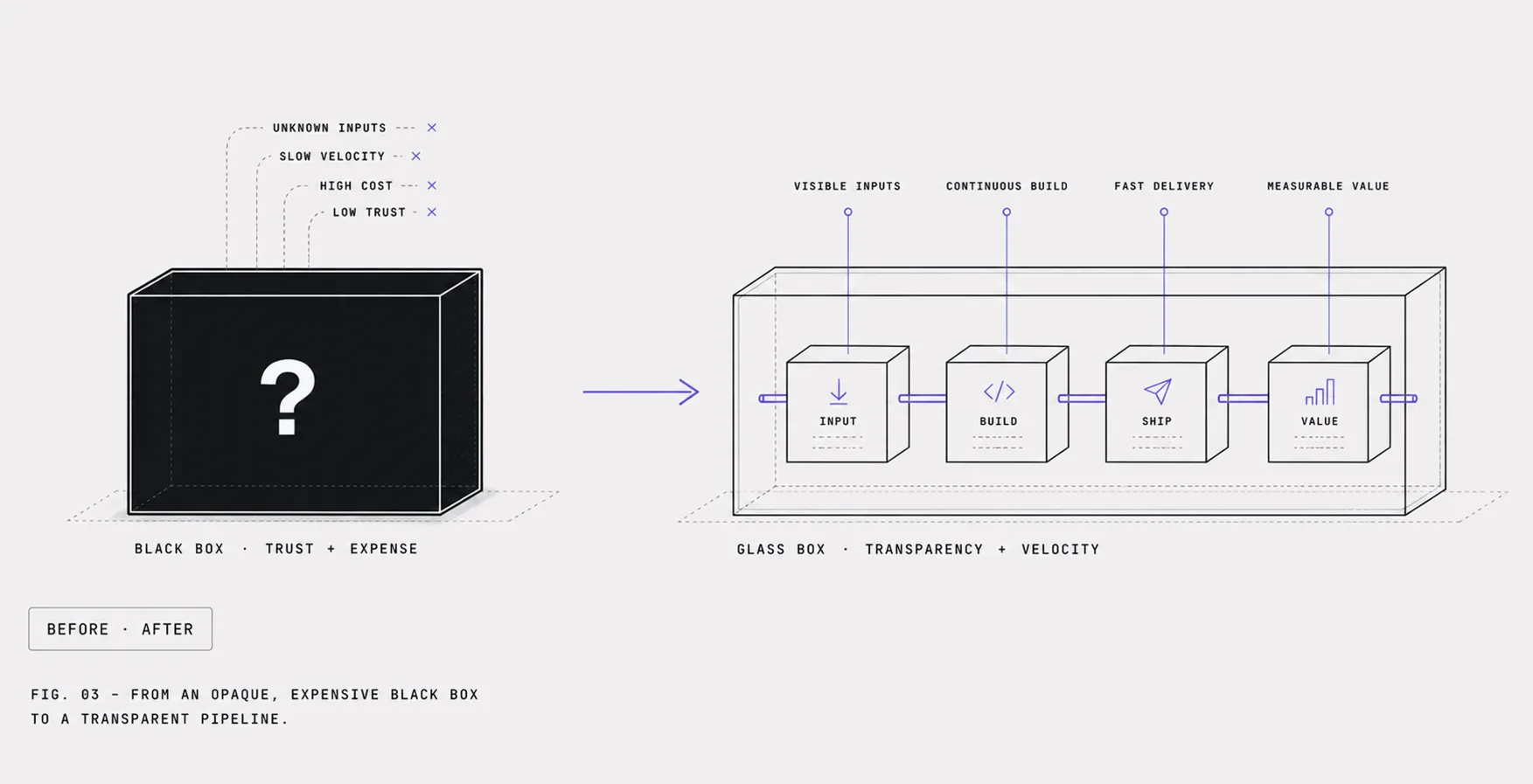
With the technical debt cleared, the daily conversation moved on from “why is this so hard” to the question only a mature company gets to ask.
“The question becomes, what is your bottleneck right now? What's your limiting factor, and what do we need to focus on?”
RASA is a specific story, but the shape of it is common: a real business, genuinely successful, carrying years of technology investment that has quietly become the thing slowing it down. The refactor that would fix it always loses to something more urgent.
What's new is that the fix no longer has to be a year-long, bet-the-roadmap project. With the right people driving AI, it can be the heavy lift you do in hours, then build on for years. For RASA, that cleared the way for the product it actually wants to build: a first-principles, agentic hosting experience, where you give it your budget, your guest list and the city, and it helps design and market the event.
“We help in how do we prioritize, and how do we build the machine that builds the machine.”